


Le développement de l'endoscope moderne
-
 2022-03-14
-
LEPU


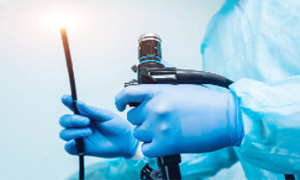
Avec le développement de la science et de la technologie, diverses nouvelles technologies ont été largement utilisées dans l'industrie médicale, et de plus en plus de technologies médicales peuvent directement atteindre les lésions locales sans traumatisme majeur.
Par exemple, la chirurgie non invasive peut utiliser le principe de l'échographie pour traiter le corps humain sans incision ni saignement; tandis que la thérapie interventionnelle, qui intègre le diagnostic d'image et le traitement clinique, peut introduire des instruments spécifiques dans les parties malades du corps humain pour une chirurgie mini-invasive à travers les pores naturels ou de petites plaies du corps humain. Une fois que les limites de la technologie médicale et du niveau dans le passé ont été changées, la maladie ne pouvait pas être diagnostiquée et traitée à temps, et de nombreux patients ont manqué le meilleur moment pour le traitement.
As a leading company in technology and services in the field of gastrointestinal endoscopy, we have been committed to the innovative research and development of medical devices, insisting on improving the level of diagnosis and treatment with advanced technology, and empowering the development of endoscopy through technological innovation. Today's endoscopy can not only detect early digestive system tumors and precancerous lesions, but also completely remove tumors through digestive endoscopy, avoiding the trauma and risks caused by laparotomy, and truly realizing the early prevention and early prevention of gastrointestinal diseases.
1. le chemin de croissance de l'endoscopie: restauration claire et précise de la scène de l'estomac
As early as 1950, the world's first intragastric camera was developed, which helped humans see the scene in the stomach for the first time, opened another door to the development of medicine and opened the road of exploration in the field of endoscopy since then.
Afin de pouvoir voir la situation dans l'estomac en temps réel et intuitivement, en 1964, la caméra gastrique GTF équipée d'un endoscope à fibre optique a été développée et lancée pour réaliser l'observation en temps réel de la situation gastrique avec l'endoscope à fibre optique intégré. L'avènement de l'endoscope à fibre optique annonce également l'arrivée de l'ère de la chirurgie mini-invasive. L'équipement requis pour la chirurgie peut atteindre avec précision les lésions dans le corps à travers le canal, ce qui réduit considérablement la douleur causée par la chirurgie aux patients.
En 1985, l'endoscope électronique a été développé en remplaçant la technique d'imagerie par fibre optique par une technologie de détection d'images miniatures. Le capteur d'image qu'il porte est comme une caméra miniature, qui peut afficher l'image traitée sur l'écran du moniteur électronique, présentant une image plus claire que l'endoscope à fibres optiques, et peut être vu par plusieurs médecins en même temps, améliorant considérablement l'exactitude du diagnostic.
With the unremitting pursuit of clarity, in 2002, the world's first high-definition endoscopy system was further launched. With a high-definition display system and HDTV monitor as the core, it can provide higher quality and clearer images than ever before. As the core function of high-definition endoscopy system, Narrow Band Imaging (NBI for short) technology makes the changes of early cancer more obvious under special blue light irradiation, which provides great convenience for medical personnel to detect early cancer in time.
2. La garde des patients: faire en sorte que les patients ne craignent plus l'endoscopie
Although gastroenteroscopy is recognized as an important tool for the examination of gastrointestinal diseases, there are still many people who are afraid of endoscopy and refuse to accept endoscopy because they consider it "uncomfortable and unsafe".
In fact, today's endoscopes have become soft and slender with the development of technology, and the diameter of the thinnest end of the endoscope is only 5 mm. The entire inspection process only takes about ten minutes, which can greatly reduce discomfort. Regular endoscopy can greatly reduce the probability of illness.
Not only that, from the point of view of comfort, we continue to innovate and improve endoscope products. RIT reactive insertion technology can improve the flexibility and ease of operation of endoscopes through intelligent bending and variable hardness technologies, and comprehensively assist the insertion of endoscopes, making the operation more convenient and flexible for doctors, and at the same time greatly reducing the burden of patient's pain.